
Professional coaching, lived experience
Our Best Life was founded by Jenny Betteridge, a recovery coach with her own lived experience of addiction and recovery. Her work is grounded in a person-centred, trauma-informed and human-hearted approach to supporting people in recovery.
Person-centred
Working at your pace, focusing on what matters most to you, and trusting you to find your own answers.
Trauma-informed
Understanding how past experiences can shape the present, and creating a space that feels safe.
Human-hearted
Balancing personal responsibility with compassion and self-trust, so change comes from support rather than shame.
How lived experience shapes our coaching
Lived experience on its own isn’t coaching.
At Our Best Life, our work sits at the intersection of professional coaching and lived experience of recovery, and it’s the combination of the two that shapes how we support people.
Lived experience brings a depth of understanding that can’t be learned from theory alone. It means we understand the reality of early recovery, when structure and routine matter, the effort it takes to build consistency over time, and how patterns can shift rather than disappear, showing up in areas like work, relationships or food. It also means we recognise how easy it is to feel unsettled or disconnected, even when things look stable on the surface.
Coaching is a professional discipline. It is not about offering advice or telling someone what to do, but about working in a person-centred way, helping someone to understand themselves more clearly and come to their own decisions about how they want to move forward.
This is where the distinction from peer support becomes important. We are not drawing on our experience to guide someone’s choices, but using our training to create a space where they can explore their own.
Our lived experience deepens how we listen within that space. It allows us to notice patterns more quickly, understand the context someone is navigating, and support them in making sense of what is happening without needing to explain every detail. Occasionally, we may draw lightly on our own experience, but only where there is a clear purpose. Even then, the focus remains firmly on them.
Much of our work sits alongside clinical support, helping people take what they are learning in therapy or treatment and apply it in their day-to-day lives in a way that feels realistic and sustainable.
What to expect
Confidential
What you share stays between you and your coach, unless we’re ever seriously worried about your safety.
Online
All sessions are by video, so you can join from home, work or wherever you are.
Flexible
Your support can change as your needs change, from weekday check-ins to monthly sessions.
Honest, never judgemental
We’ll be straightforward with you, with curiosity and respect.
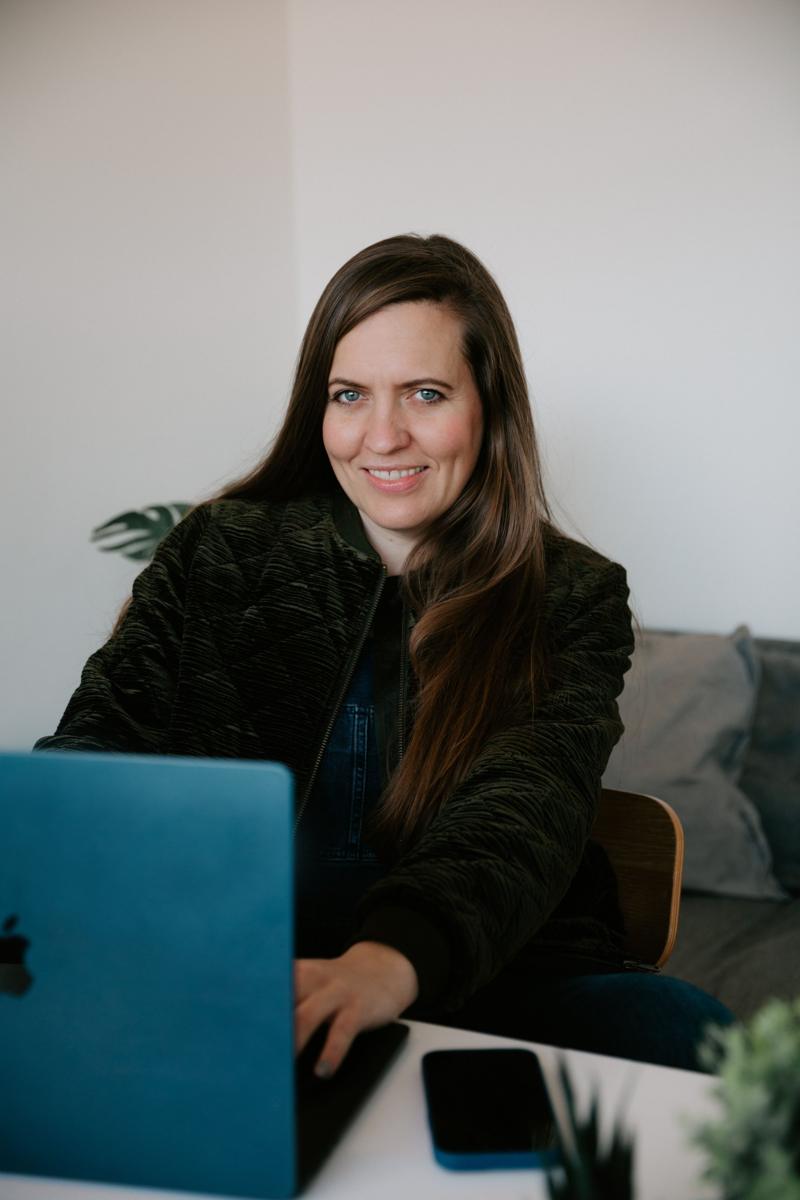
Jenny Betteridge
Founder & Recovery Coach
My recovery began after an emotional rock bottom in early 2018. On the outside, things looked ok-ish. Inside, I was a hot mess: living in fear, feeling alone and struggling to be present for the people I loved.
At the time, I didn’t realise how much unresolved trauma was shaping my life. My nervous system was constantly in fight, flight or freeze, and I had little understanding of how to manage my emotions or the impact I was having on others.
Addiction had been part of my life for years. It showed up in my relationship with alcohol, work, exercise, food and money. I was also deeply codependent, focusing on everyone else as a way of avoiding myself.
Getting support was the best thing I’ve ever done, for me and for the people I love. But stopping drinking was only the start. Sobriety brought clarity, but it also uncovered other patterns I’d been using to cope, and in many ways they got louder.
Not many people tell you that recovery can feel like whac-a-mole. You take away one behaviour and others pop up to take its place. I was restless, constantly worrying and always felt I should be doing something. Everything was all-or-nothing, and I struggled to find any kind of balance between pushing myself too hard and running out of energy altogether.
Change came slowly, and with a lot of support. I learnt to recognise my patterns, understand my emotions and work out what actually helped me feel good. That meant learning to rest, asking for help, being honest about how I was feeling and making choices based on what mattered to me rather than fear or guilt.
One of the biggest shifts was letting go of the idea that I had to do everything perfectly. I began to understand that doing most of the things, most of the time, was enough. Over time, I became more comfortable in my own skin, more present in my relationships and more able to enjoy life without constantly chasing the next thing.
That experience is why I trained as a coach in 2020 and set up Our Best Life in 2022. I wanted to offer the kind of support that helped me most: someone who understands recovery from the inside, with the professional training to help you find your own way through it.
Almost nine years into my own recovery, I’m still learning and growing. Life still brings challenges, but I have a very different relationship with myself and the world around me.
I believe recovery gives us the opportunity to discover who we really are, what matters to us and how we want to live. And that’s what Our Best Life is all about: helping people in recovery create their happiest, truest and most beautiful lives.
Training & experience- ICF-accredited coach training, Henley Business School
- Trauma-informed coach, Moving the Human Spirit: the only ICF-accredited programme of its kind in the world
- 400+ hours of group coaching and 500+ hours of 1:1 coaching
A small circle of trusted therapists
Coaching and therapy can work well together. Therapy gives you space to work through what sits beneath your patterns, while coaching helps you put what you’re learning into practice in everyday life.
Finding a qualified therapist who really understands addiction isn’t always easy. Jenny has worked alongside a small group of experienced therapists for many years, so if therapy feels right for you, she can refer you to someone she knows and trusts.
- Qualified and experienced in working with addiction and codependency
- Able to work alongside your coaching, if you’d like both
- Referred to the therapist who best fits what you need
- You arrange and pay for therapy directly with your therapist
Supporting you behind the scenes
Catherine Bunclark
Administrator
Let’s talk
Book a free 30-minute video call to talk about where you are and whether we’re the right fit for you.