
What a Month Off Can Tell Us
A January talk for your team about drinking, Dry January® and being alcohol-free.
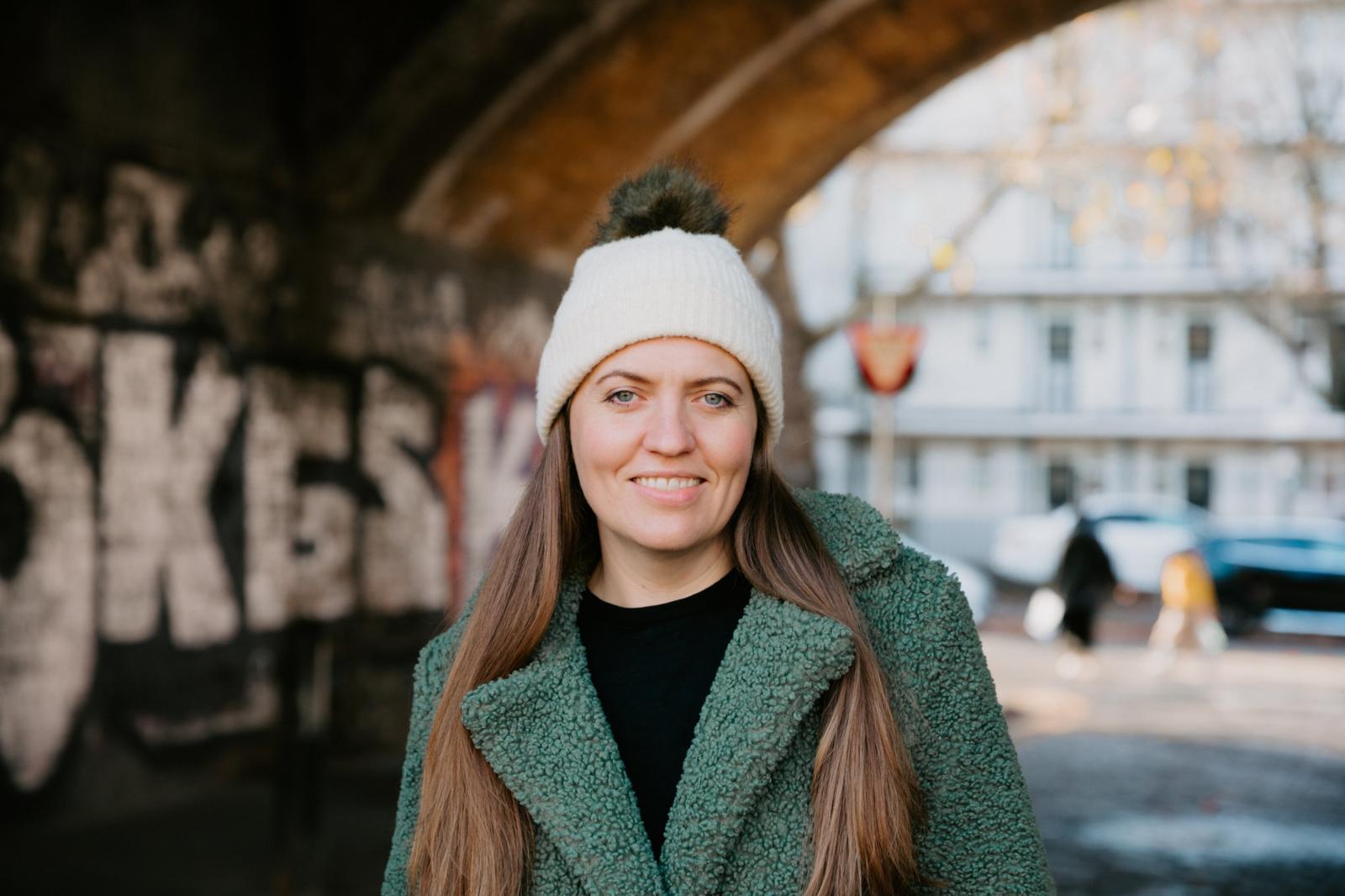
Jenny Betteridge gave up drinking on New Year’s Day in 2018. She’ll share what led her to stop and what she found in recovery. For most people, a month off is a reset. For some, it shows them something bigger. The talk looks at that whole range, through Jenny’s own experience and what people across the UK tell us.
Jenny will share new nationally representative UK research, carried out with FeedForward Research, on why we drink, how we feel about our own drinking and what we make of other people’s decisions to go alcohol-free. The talk will cover what people say makes Dry January easier or harder, and how comfortable they’d feel asking for help if they were worried about their drinking.
60 minutes, including questions · Online or in person · For all staff or managers
The talk is £1,500. Early booking offer: £1,125 for the first five organisations to confirm a January date by 11 December.
Why January?
Christmas can be a difficult time for many people. There are often more occasions to drink, alongside family pressures, loneliness or the feeling that you’re supposed to be having a good time. January brings a bit of that ‘new year, new me’ energy. Some people do Dry January as part of a health kick, to save a bit of money or just to see how they feel after a month without alcohol. For others, something about the way they felt over Christmas makes them want to take a closer look at their drinking.
32%
of UK adults planned to take a month off alcohol in January 2026.
Alcohol Change UK
1 in 5
adults in England drank more than 14 units in a typical week in 2024.
Health Survey for England
The January I got sober
Nine years ago, I was in the kind of rock bottom I wasn’t sure I’d ever find my way out of. After a disastrous Christmas, I’d just got back to London. On the outside, things generally looked OK-ish. I had my own home, I’d recently been promoted to a leadership role at work, and I was surrounded by lots of family and friends who loved me. On the inside, I felt like I was dying.
I stopped drinking on 1 January 2018. That day, I found my way into the recovery community, and something amazing happened. I felt an immediate and profound sense of belonging. I met people who looked like me, had equivalent jobs, and lived similar lives, but who also understood my struggles in a way I’d never experienced before.
Here are some things I didn’t know about addiction back then.
- You don’t have to be physically dependent on alcohol to be an alcoholic. For many of us, it’s not about how often we drink – it’s about what happens when we do.
- Addiction manifests in all kinds of ways. Work, relationships, food, money… there are so many things we can use to (try to) change the way we feel.
- The first few years of recovery can feel like Whac-A-Mole. We deal with one addiction, and another pops up. At two and a half years sober, I hit another emotional rock bottom and had to seek help for codependency.
- Stopping drinking (or taking drugs) is only a small part of getting sober. My inner world was ruled by fear, shame, and projection. Changing all that was the real work.
If I knew little about addiction, I knew even less about the gifts that recovery would bring.
- The people. Some of my closest friends today are people I met in recovery. These relationships are built on love, honesty, and shared experiences.
- The community. Walking into a café full of recovering addicts eating breakfast and having a nice time blew my mind. It was a world I didn’t know existed.
- The peace of mind. At about three months sober, moments of peace started to replace the constant ‘washing machine head.’ It felt so unfamiliar, it took a minute to work out what was happening.
- Resolving past traumas. So many people in recovery say that therapy didn’t work for them until they got sober. Recovery gave me the foundation to do the deeper trauma work.
- Getting to create a life I love. Today, I get to live in alignment with my values, build meaningful relationships, and help others who are on the same path.
What taking a break can bring up
Whatever your reason for doing Dry January, a month off can bring up questions you rarely ask yourself. When do I most look forward to a drink? What am I hoping it’ll do for me? How does it feel to be the person who says no when everyone else is having one?
What our new research will cover
In the run-up to New Year, we’re working with FeedForward Research to survey a nationally representative sample of UK adults about the role alcohol plays in our lives, from how we celebrate and socialise to how we switch off after work. We’re also measuring how much we really drink, using the NHS’s own screening questions.
We’re asking who’s planning to do Dry January and why, what past participants found easier or harder, and what changed afterwards.
The survey also explores how addiction can show up in different areas of life, from alcohol and drugs to food, work, and love and relationships, and how many people have been affected by someone close to them.
Finally, it looks at seeking help: where people would turn and what might stop them asking. Jenny will share the findings for the first time in this talk, alongside existing research on Dry January.
How we feel about drinking and being alcohol-free
Why people drink, how they feel about their own drinking and what they think about sobriety. We’ll also ask whether people find it easy to turn down a drink or expect to be questioned when they do.
Who’s doing Dry January and why
What people hope to get from a month off in 2027, what previous participants say made it easier or harder, and whether they noticed any changes in the months afterwards.
Addiction among family and friends
How many people say that someone close to them, such as a partner, parent, child or friend, has been affected by addiction.
Asking for help
Where people would turn for support with their own drinking or other behaviours, and what might hold them back from asking.
How we talk about alcohol at work
How comfortable people would feel talking about addiction with their employer, and what managers can do when someone asks for support.
Bring the talk to your organisation
Jenny can deliver the talk as a session for all staff, at a time that suits your organisation, or tailor it for managers, with more time to talk about supporting colleagues. It’s open to anyone, whether they’re doing Dry January, thinking about drinking less, already alcohol-free or simply curious. Everyone is welcome to listen without sharing anything about their own drinking.
- 60 minutes, including time for questions
- Online or in person across the UK
- Optional follow-up support through our January group or 1:1 coaching
Jenny Betteridge is the founder of Our Best Life, a recovery coach with ICF-accredited training and a former Managing Director of a research and strategy business.
Dry January® is a registered trademark of Alcohol Change UK. Our Best Life is independent and not affiliated with Alcohol Change UK. To sign up for Dry January and get free support, visit Alcohol Change UK.